ASCS CERTIFIED · SERVING CENTRAL OHIO WITHIN 50 MILES OF COLUMBUS Questions? (614) 329-8323
Call Now Free Quote
◆ Central Ohio Homeowner's Guide · 2026 Edition

How to hire a dryer vent cleaner (without getting burned)

Safety, code and pricing explained plainly by the people who clean dryer vents across Columbus every week. Read it before you hire anyone — us included.

  • ASCS Certified
  • Fully Insured
  • 30-Day Workmanship Guarantee
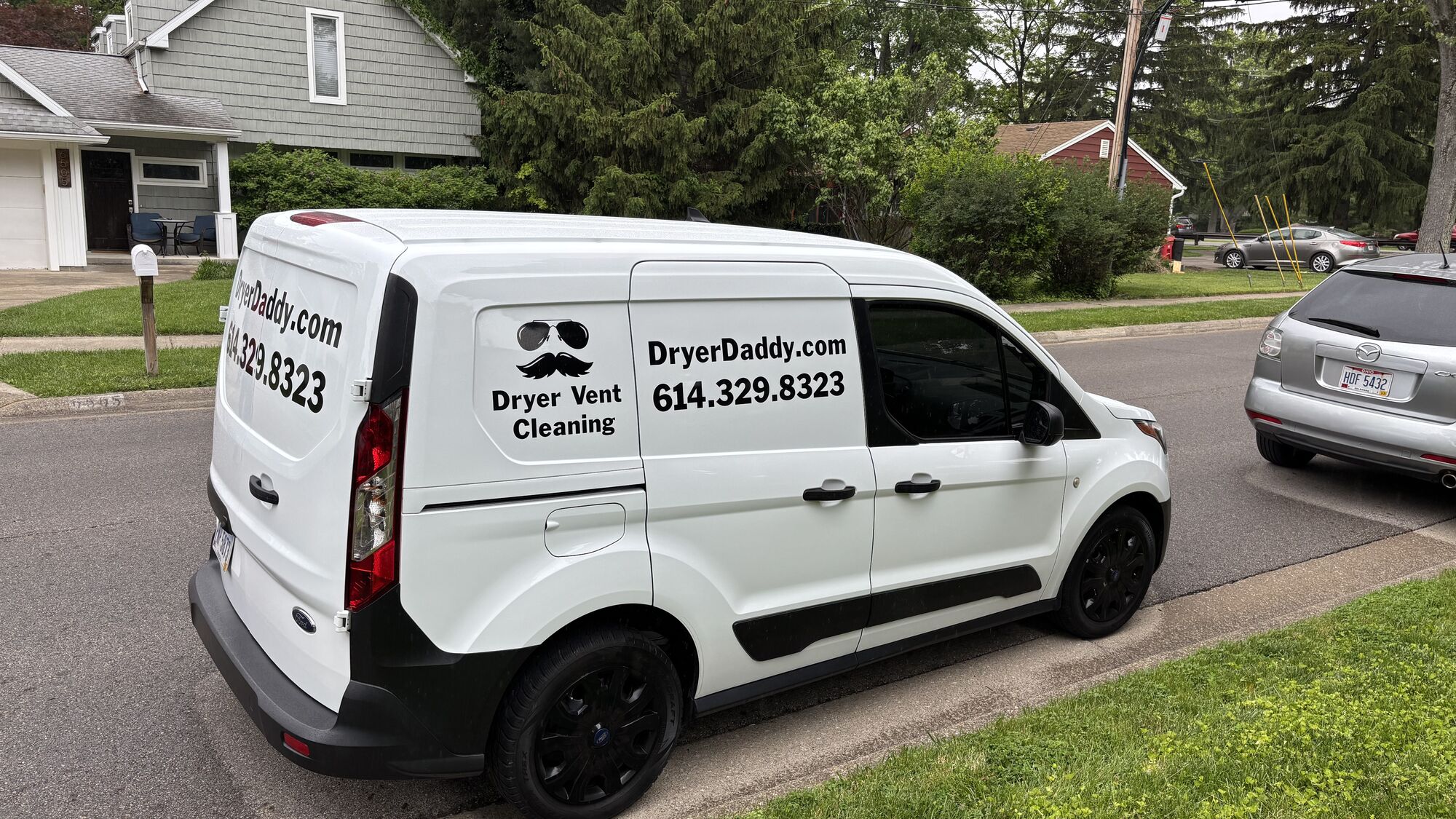
The Dryer Daddy service van parked on a Central Ohio street
On the job across Greater Columbus, most days of the week.
01

The hidden fire hazard, and the energy you're losing

Your lint screen does a decent job. It just isn't the whole system. Some lint always gets past it, and that's the lint we're talking about here.

Where the lint actually goes

The screen in your dryer door catches the big, fluffy layer you peel off after every load. The finest fibers are light enough to ride the hot, humid airflow past the screen, past the drum seal, and into the duct hidden in your walls, floor or attic. There they stick to the duct walls, settle in low spots, and pile up at every elbow and at the exterior hood.

Over months that layer narrows the duct. Less air gets out, so the dryer runs longer and hotter to do the same job. That means higher energy bills, extra wear on the heating element and blower, and a duct full of highly flammable material sitting right next to the heat source.

Done-with-you tip

Clean the lint screen before or after every load, and wash it with warm, soapy water every few months. Dryer sheets leave a waxy film that can block airflow even when the screen looks clean.

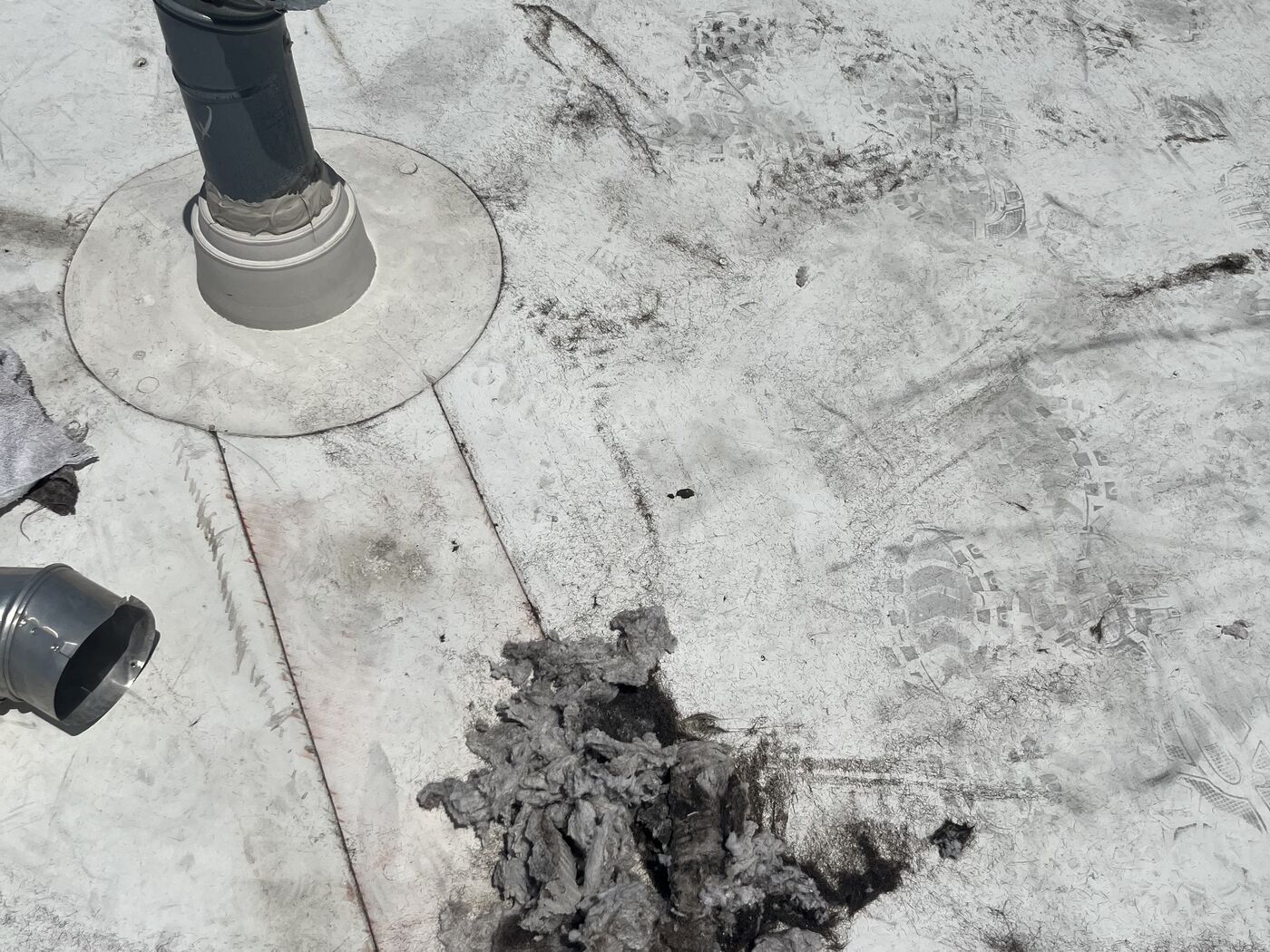
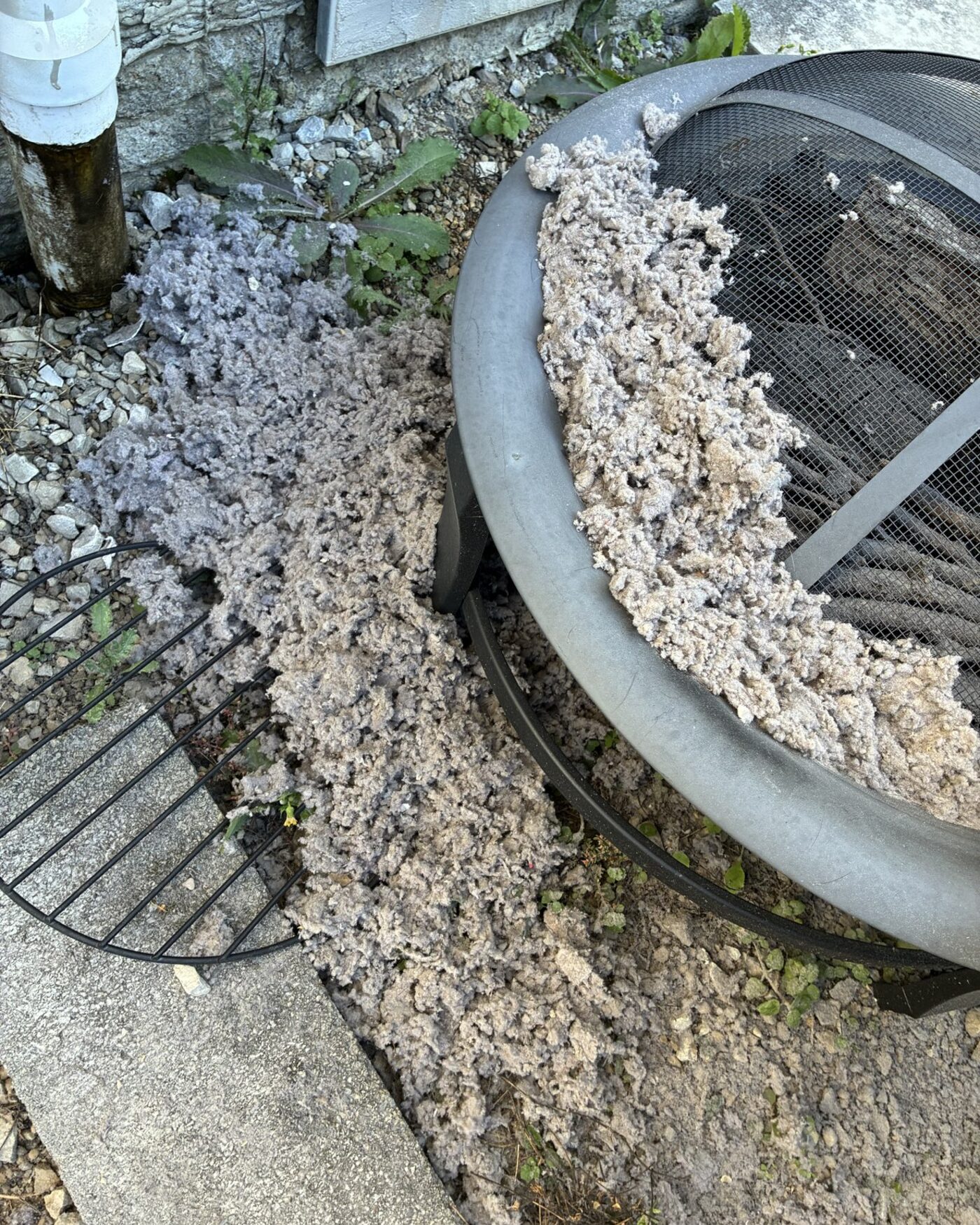
A large pile of gray dryer lint pulled from a single Central Ohio home's vent, heaped beside the exterior vent grate
One house, one cleaning. This is the lint your screen didn't catch.

By the numbers

13,820 U.S. home fires per year involving clothes dryers or washing machines, 2014–2018 average. Dryers account for the vast majority. NFPA
34% "Failure to clean" is the leading contributing factor in residential clothes dryer fires. U.S. Fire Administration
28% Dust, fiber and lint are the most common first item ignited in residential dryer fires. U.S. Fire Administration
January Dryer fires climb through fall and winter and peak in January. That's Ohio's coldest, busiest laundry month. U.S. Fire Administration

The 35-foot rule: what Ohio code says about your vent

Ohio's residential code (Ohio Adm. Code 4101:8-15-01, Section 1502) limits a typical dryer exhaust duct to 35 feet, measured from where the transition hose connects. Every elbow uses up part of that allowance, because air loses force at every turn:

  • 90° elbow (standard mitered) — subtract 5 ft
  • 45° elbow (standard mitered) — subtract 2 ft 6 in
  • Long-radius smooth elbows cost less. A 6-inch-radius 90° counts as 1 ft 9 in.

The code also requires a backdraft damper at the exterior termination and prohibits screens there, because screens trap lint. Some dryer manufacturers allow longer runs in their installation instructions, and a listed dryer-duct booster fan changes the math. A good technician knows which rules apply to your setup.

Why this matters when hiring: a long or elbow-heavy run clogs faster and needs a professional with the right equipment — and a way to prove the air is moving again.

Vent Length CheckOH §1502.4.5.1

Advisory only. Manufacturer instructions and listed booster fans can change the allowance.

02

Central Ohio homes: old charm vs. modern builds

A 1925 Clintonville bungalow and a 2019 Powell two-story clog in completely different ways. Before you hire anyone, know which kind of house you have.

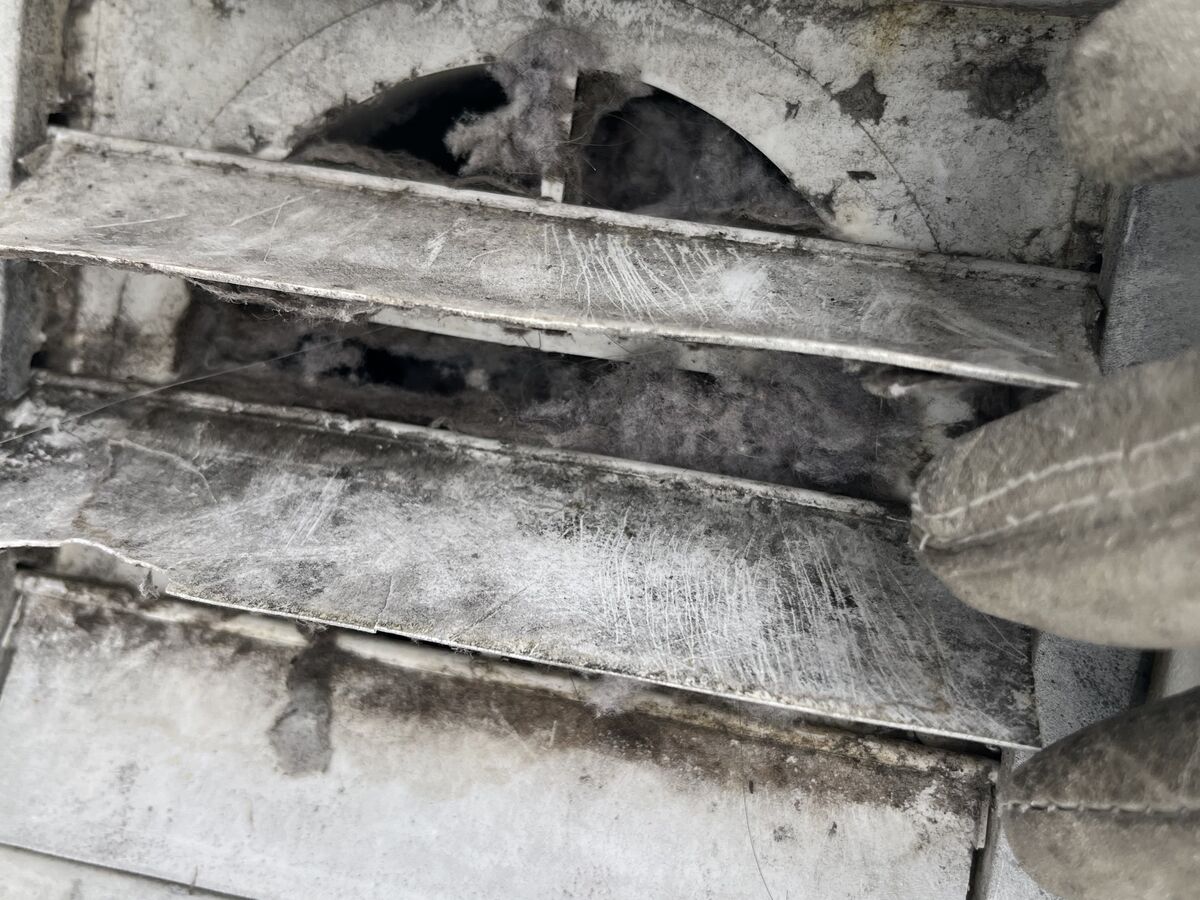
A ground-level exterior dryer vent grille matted with lint on an older Central Ohio home

Older & historic homes

Clintonville · Old Worthington · Bexley · Urban Columbus

The typical setup: laundry in the basement or a converted utility room. Dryers were often added or moved decades after the house was built, so the vent may snake sideways across the basement ceiling, through a crawlspace, or out through thick masonry.

Where lint hides: long horizontal runs have no gravity helping them. Lint settles along the bottom of the pipe like silt in a creek. We also find old foil or vinyl ducts, sagging sections, and joints held together with screws that snag lint.

What to ask: "Will you inspect the whole run, not just the ends?"
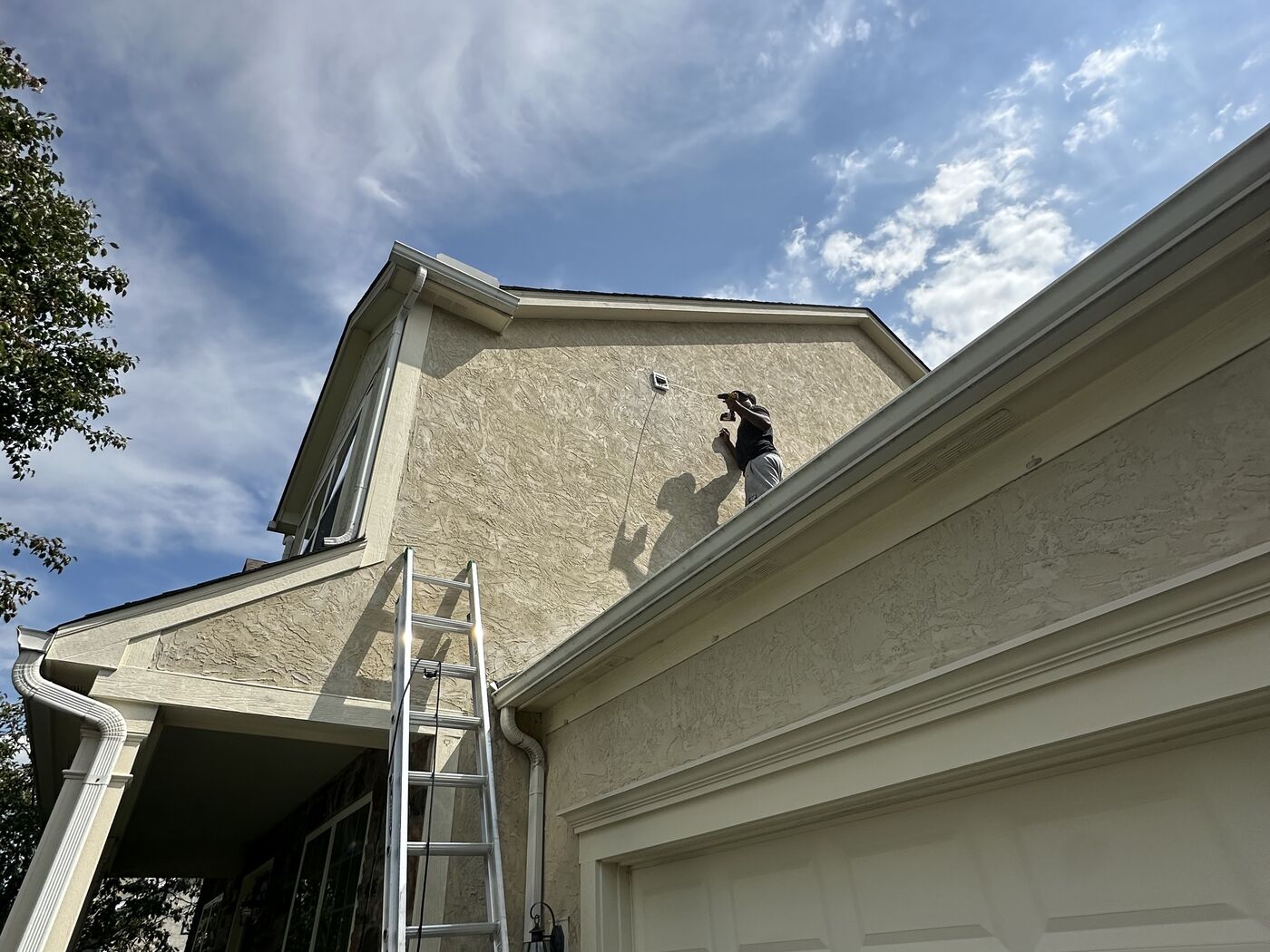
A roof-line dryer vent termination on a newer Powell, Ohio home

Newer construction

Powell · Dublin · Sunbury · Lewis Center

The typical setup: a convenient second-floor or mudroom laundry. To get outside, the vent often climbs up through an interior wall or attic to a roof cap, or runs a long way to the nearest exterior wall.

Where lint hides: vertical runs fight gravity, so heavy lint falls back down and collects at the bottom elbow, while lighter lint packs behind the roof cap's damper. Roof caps are out of sight, so a clog there can go years without anyone noticing.

What to ask: "Do you service roof terminations, and how do you verify airflow afterward?"

General patterns from our field work. Every house is different, which is why inspection comes first.
FactorOlder / historic homesNewer construction
Laundry locationBasement or utility roomSecond floor or mudroom
Vent pathLong horizontal runs, crawlspaces, masonry wallsVertical climbs, attic runs, roof caps
Where lint collectsAlong the duct floor and at sagging jointsBottom elbows and behind roof caps
Common extras foundOutdated foil or vinyl duct, crushed transitionsStuck roof dampers, nests, long elbow-heavy runs
Typical price tier$150 (ground / first-floor sidewall)$250 (roof / second-story), or $150 for sidewall exits
03

Four warning signs your vent is restricted

Your dryer will tell you when it's struggling. You just have to know what it sounds like when it complains.

Loads take two or more cyclesTowels and jeans still damp after a full cycle is the classic sign. The heat is fine, but the moist air has nowhere to go.
The cabinet feels hotThe top or sides are too hot to keep your hand on, or clothes come out unusually hot. Trapped heat is building up inside the machine.
Humid, musty laundry roomFogged windows, a damp smell, or lint dust behind the dryer means exhaust is leaking out of the duct instead of leaving the house.
Weak flap outsideGo outside while the dryer runs. The exterior hood flap should open firmly. If it barely flutters or stays shut, the air isn't making it out.
Smell something burning? Stop the dryer, unplug it if it's safe to do so, and don't run it again until the vent has been checked. If you see smoke or flames, get out and call 911.
04

The DIY trap: the real cost of a $20 drill kit

We're all for handy homeowners. But we spend a surprising amount of time fixing problems those online drill-rod kits create, so here's the honest version.

Snapped rods in the wall

Flexible rods spun by a drill can unscrew or snap inside a wall cavity. Now there's a brush stuck in a duct you can't reach, and that can mean opening drywall.

Packing the clog tighter

Pushing a brush in from one end often shoves loose lint forward until it jams at the next elbow as a dense plug. Airflow gets worse than when you started.

Torn ducts and loose seams

Spinning rods can puncture foil ducts and pull hidden joints apart. Then lint and moist exhaust go straight into your walls or attic, where nobody will see it.

Ladders and roofs

Roof terminations mean working on a pitched roof with tools in hand. That's a job for someone with the right ladder, fall protection and insurance.

Open doors for critters

Damaging the exterior hood's flap or damper invites birds and rodents to nest in a warm duct — a fire hazard and an airflow killer of its own.

What DIY is smart

Clean the lint screen every load. Keep the area behind the dryer clear. Check that the outside flap opens. Replace a crushed or foil transition hose with a UL-listed one under 8 ft. Leave the hidden duct to a pro.

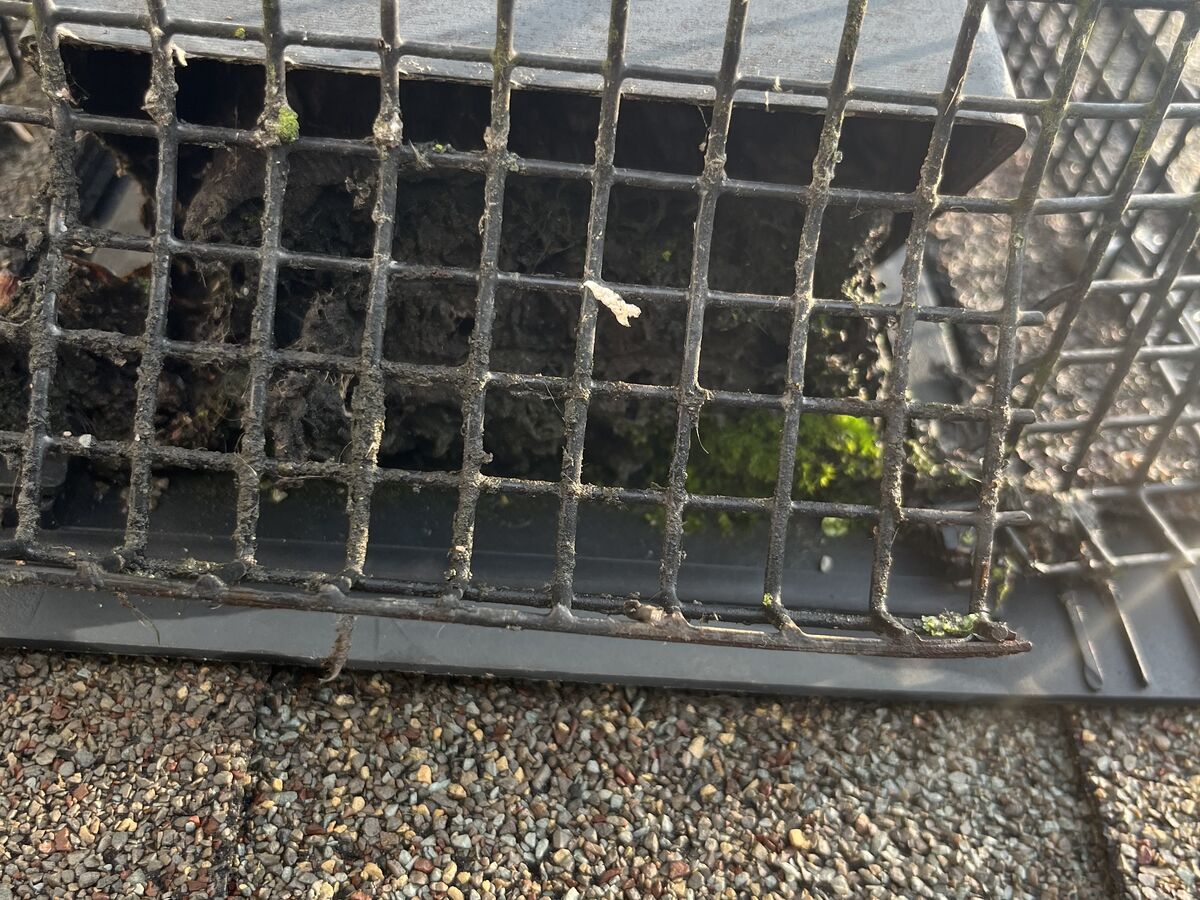
A bird nest built inside a caged roof dryer vent in Westerville, Ohio
A cage added to keep birds out. It kept the lint in too.
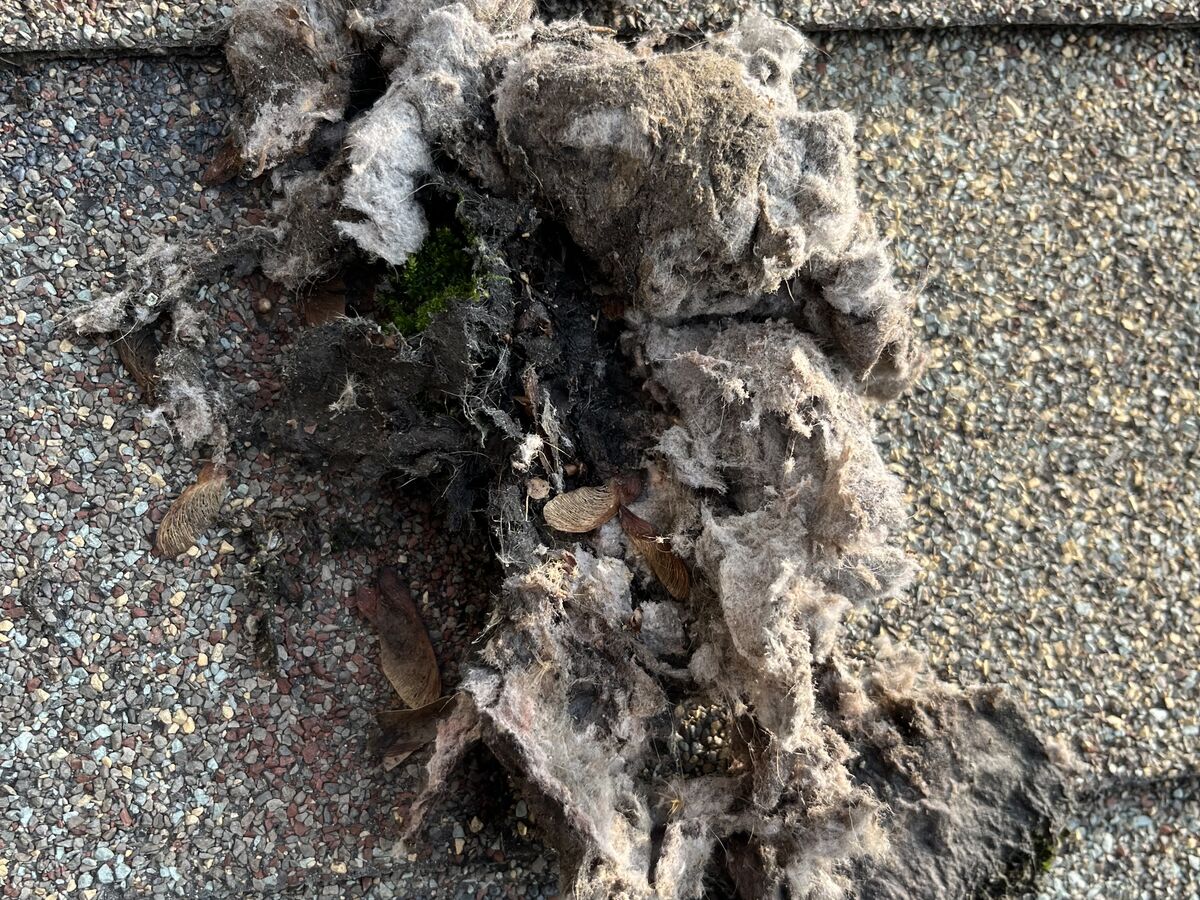
Nesting material and lint removed from a roof dryer vent, laid out on the shingles
All of this was sitting in the exhaust path.
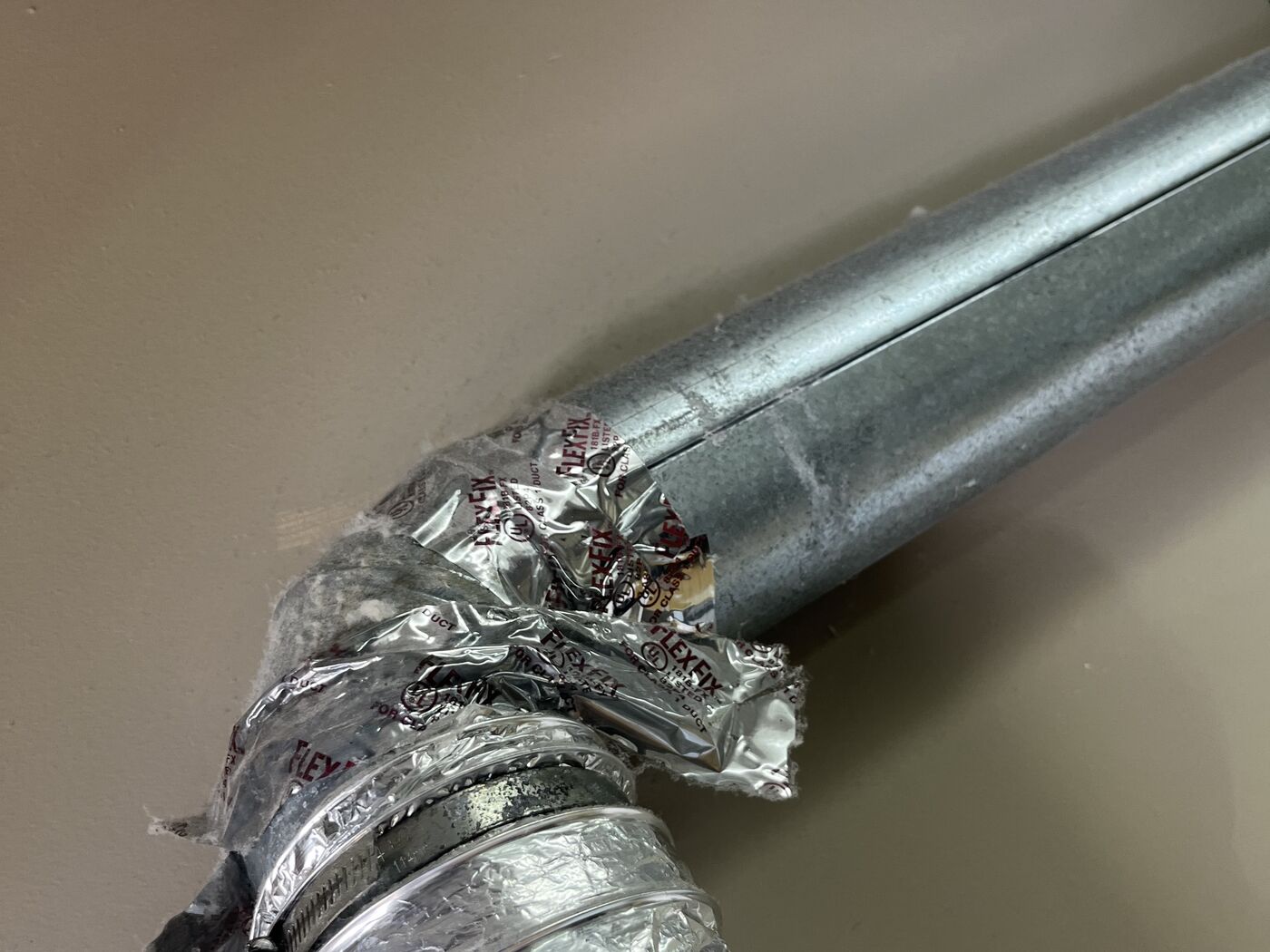
A torn and crushed flexible foil dryer transition duct
Damaged foil transition hose — torn, crushed, and easy to tear further.
05

What a professional clean should include

This is the Dryer Daddy protocol. Even if you hire someone else, use it as your benchmark.

Rotary brush and vacuum equipment clearing a dryer exhaust duct
Rotary brushes scrub the duct walls. Air alone doesn't.
  1. System inspection

    We check the dryer connection, transition hose, visible duct and exterior termination for buildup, damage, crushed sections and code problems.

  2. Vent path identification

    We trace and verify the full route from the dryer to the outdoor exit, including the parts inside walls, ceilings and attics.

  3. Rotary brush & vacuum cleaning

    Professional rotary brushes scrub the duct walls end to end while vacuum equipment captures what comes loose. We don't just blow the lint out with air and hope it all leaves.

  4. Airflow verification

    We reconnect everything, run the dryer, and measure exit air velocity with a digital airflow meter at the termination — before and after cleaning.

    > 1,400 FPM Target Exit Velocity
  5. Total site cleanup

    Indoors and out. That includes the lint that lands in your flower beds, mulch and siding when the exterior hood is cleared.

  6. 30-day workmanship guarantee

    The service is backed by a written 30-day workmanship guarantee. If something isn't right, call us and we come back. Simple as that.

06

Transparent, flat-rate pricing

Your price depends on where your vent exits the house — not on how dirty it is or how long the job takes. You'll know the number before we show up.

$150 flat + applicable sales tax

Ground / first-floor sidewall

  • Full inspection & path ID
  • Rotary brush + vacuum clean
  • Before/after airflow reading
  • Exterior lint cleanup
  • 30-day workmanship guarantee
Book This
Quoted on-site

Add-ons & repairs

  • Crushed or broken duct sections
  • Code-compliant hood / damper replacement
  • Bird & nest removal, critter guards
  • Approved by you before any work starts
Ask a Question
Group rates

HOA & neighborhood groups

  • Available for 10+ homes
  • Booked on a shared service day
  • Each household gets its own airflow reading
  • Great for HOA newsletters
Organize a Group

No trip charges. No "heavy lint" surcharge. No surprise upsells.

If we find a problem that needs a repair, we'll show you, explain it, and quote it. You decide. Military and first-responder discounts are available — just ask when you book.

Commercial and multi-unit properties are quoted by equipment count and access. See commercial or multi-unit.

07

Consumer checklist: six questions to ask any dryer vent cleaner

Ask every company you call, including us. A good company will be glad you asked. Tick them off as you go, or print this page.

  1. Good answerA named credential you can look up, like ASCS (Air Systems Cleaning Specialist), and the name of the person who'll actually be at your house.
    Red flag"We've been doing this forever" with no credential — or a certification that belongs to the owner but not the tech they send.
  2. Good answerRotary brushes that physically scrub the duct walls, paired with vacuum collection.
    Red flagAir-only cleaning. Blowing air moves the loose lint and leaves the stuck-on layer behind.
  3. Good answerBefore and after airflow readings with a digital meter, shared with you. Our target is above 1,400 FPM at the exit.
    Red flag"Trust us" — or a photo of a lint pile with no measurement.
  4. Good answerA clear flat rate by vent type — for us, $150 sidewall or $250 roof, + applicable sales tax — with any repairs quoted separately and approved by you first.
    Red flagA bargain "starting at" price that grows with trip fees, "heavy lint" charges, or per-foot surprises.
  5. Good answer"Absolutely" — and a certificate arrives in your inbox before the visit.
    Red flagHesitation. If someone falls off your roof and isn't insured, that can become your problem.
  6. Good answerFull cleanup indoors and out, including the flower beds and siding under the exterior hood.
    Red flagA gray snowdrift of lint in your mulch after they leave.
Ask us all six — (614) 329-8323
08

Frequently asked questions

How often should a dryer vent be cleaned in Central Ohio?

At least once a year for most households, which matches national fire-safety guidance. Clean it sooner if drying times creep up. Large families, homes with pets, long or elbow-heavy runs, and roof terminations often need cleaning every 6–12 months. Late fall is ideal, because residential dryer fires peak in winter.

How much does dryer vent cleaning cost in Columbus, Ohio?

Dryer Daddy charges a flat $150 for ground-level or first-floor sidewall vents and a flat $250 for roof or second-story vents, + applicable sales tax. That includes inspection, rotary-brush cleaning, before-and-after airflow readings, cleanup and a written 30-day workmanship guarantee. Repairs such as crushed ducts or hood replacements are quoted on-site and only done with your approval.

Isn't cleaning the lint screen enough?

No. The lint screen catches most lint, but fine fibers get past it and build up inside the hidden exhaust duct, especially at elbows and the exterior hood. That buildup is what the U.S. Fire Administration ties to failure-to-clean fires. Clean the screen every load, and have the duct professionally cleaned on a regular schedule.

Can I clean my own dryer vent with a drill brush kit?

You can clean the lint screen, the transition hose and the exterior hood opening yourself. For concealed ducts, drill-driven rod kits can snap off inside walls, pack lint into a tighter clog at elbows, and tear foil ducts or seams. Roof vents add a fall risk. A professional cleaning with airflow verification is safer and confirms the result.

What airflow reading means my dryer vent is clean?

We measure exit air velocity at the exterior termination with a digital airflow meter before and after cleaning. Our target is above 1,400 feet per minute (FPM). Seeing the before and after numbers side by side is the clearest proof that the job worked.

How long can a dryer vent be under Ohio code?

The Residential Code of Ohio (Section 1502.4.5.1) generally limits the exhaust duct to 35 feet from the transition connection. Subtract 5 feet for each standard 90-degree elbow and 2 feet 6 inches for each standard 45-degree elbow. Dryer manufacturers' installation instructions, or a listed dryer-duct booster fan, can change the allowable length.

Is it OK to put a screen over my outside dryer vent to keep birds out?

No. Ohio's residential code prohibits screens at the dryer duct termination because they trap lint and can cause a dangerous blockage. If birds or rodents are a problem, the right fix is a vent hood or guard designed for dryer exhaust that lets lint pass freely. We can remove nests and install one.

What does ASCS certification mean?

ASCS stands for Air Systems Cleaning Specialist, an industry credential earned by passing an exam on air-system cleaning methods, safety and standards. Ask any company which of its technicians holds a credential, and whether that person will be the one at your home.

Do you clean roof and second-floor dryer vents?

Yes. Roof and second-story terminations are common in newer homes in Powell, Dublin, Sunbury and Lewis Center. They're a flat $250 + applicable sales tax, and include clearing the roof cap, checking the damper and verifying airflow at the exit.

What areas does Dryer Daddy serve?

Greater Columbus and Central Ohio, within 50 miles of Columbus. That includes Columbus, Clintonville, Worthington, Powell, Dublin, Delaware, Westerville, Hilliard, Upper Arlington, New Albany, Grove City, Gahanna, Bexley, Sunbury and Lewis Center.

Let's get your dryer breathing again.

Flat-rate pricing, a measured airflow result, and a technician who cleans up after himself. Greater Columbus and Central Ohio.

  • Columbus
  • Clintonville
  • Worthington
  • Powell
  • Dublin
  • Delaware
  • Westerville
  • Hilliard
  • Upper Arlington
  • New Albany
  • Grove City
  • Gahanna
  • Bexley
  • Sunbury
  • Lewis Center

Sources & methodology

Statistics come from the national fire-data agencies below. Code references are to the Residential Code of Ohio as adopted in Ohio Administrative Code 4101:8-15-01. Local jurisdictions may adopt amendments, and dryer manufacturers' installation instructions can modify duct-length limits. Field observations about Central Ohio housing come from Dryer Daddy service visits.

  1. U.S. Fire Administration, Clothes Dryer Fires in Residential Buildings (2008–2010), Topical Fire Report Series. usfa.fema.gov
  2. National Fire Protection Association, Home Fires Involving Clothes Dryers and Washing Machines (2014–2018 annual averages). nfpa.org
  3. Ohio Adm. Code 4101:8-15-01, Exhaust systems (Section 1502, clothes dryer exhaust). Cornell LII
  4. U.S. Department of Energy, Building America Solution Center, Proper Clothes Dryer Venting. basc.pnnl.gov