
Dryer vent maintenance isn't a line item.
It's a documented duty.
Under Ohio Revised Code 5321.04, landlords must keep the premises in a fit and habitable condition and maintain supplied appliances in safe working order. When a dryer fire happens, the first question asked is when the vents were last serviced — and whether you can prove it.
◆ Phased execution ◆ Per-unit documentation ◆ Minimal tenant disruption
Why this sits on your desk
The exposure is documented, and so is the remedy
Dryer vent maintenance in multifamily housing is not a discretionary expense. It sits at the intersection of fire code, landlord obligation and insurer expectation.
The legal obligation
Ohio Revised Code §5321.04 requires landlords to keep premises in a fit and habitable condition and to maintain in good and safe working order all supplied appliances and facilities. A dryer venting into a wall cavity does not meet that standard.
The inspection reality
The Columbus Division of Fire conducts inspections of multifamily and commercial properties. Lint accumulation and improper duct termination are findings that show up, and a documented maintenance log is what separates a note from a violation.
Code compliance
What we check against IMC Section 504
These are the findings that most often turn up in older Central Ohio buildings — and the ones an inspector or insurance adjuster is most likely to write down.
Screens & cages at terminations
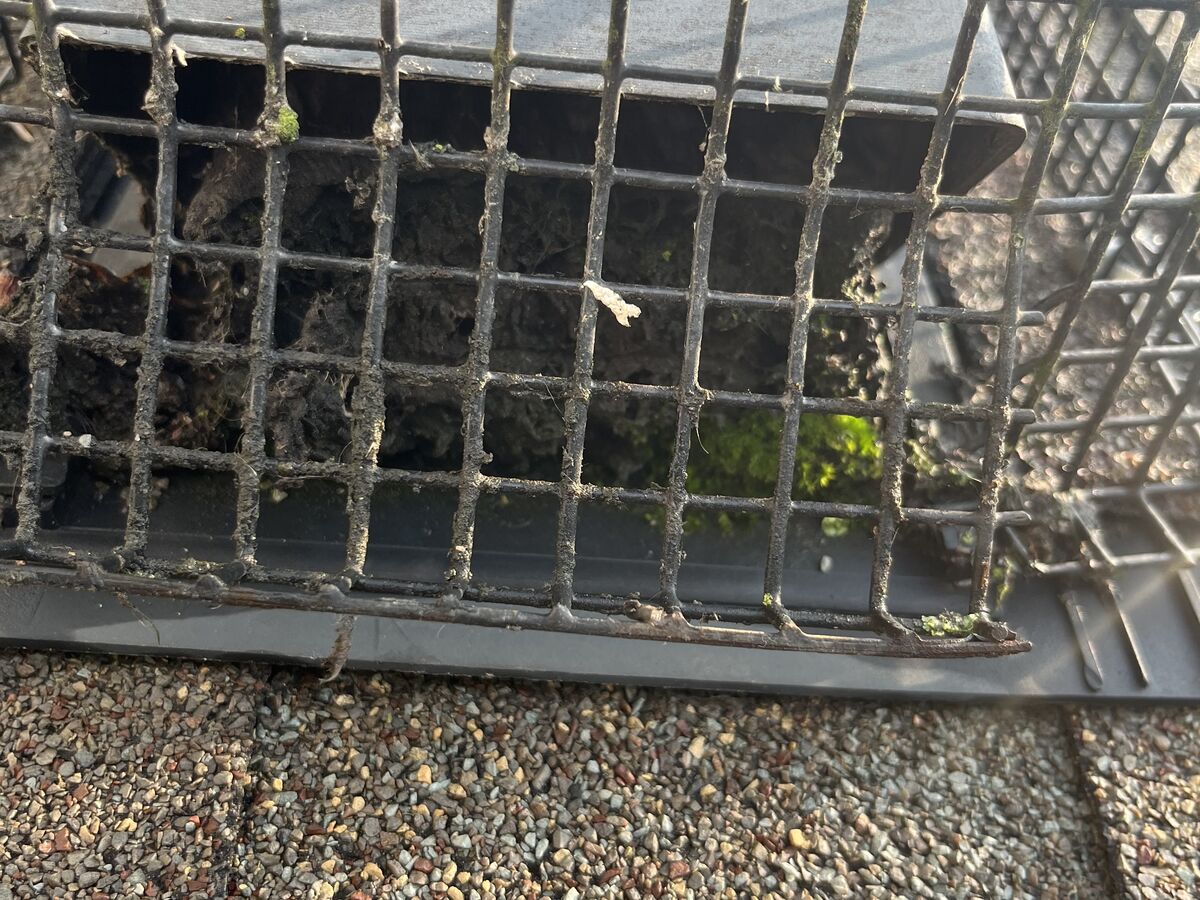
Exterior dryer vent terminations must be free of screens or cages. They trap lint and cause total blockage — a common retrofit mistake made to keep birds out.
Transition duct material
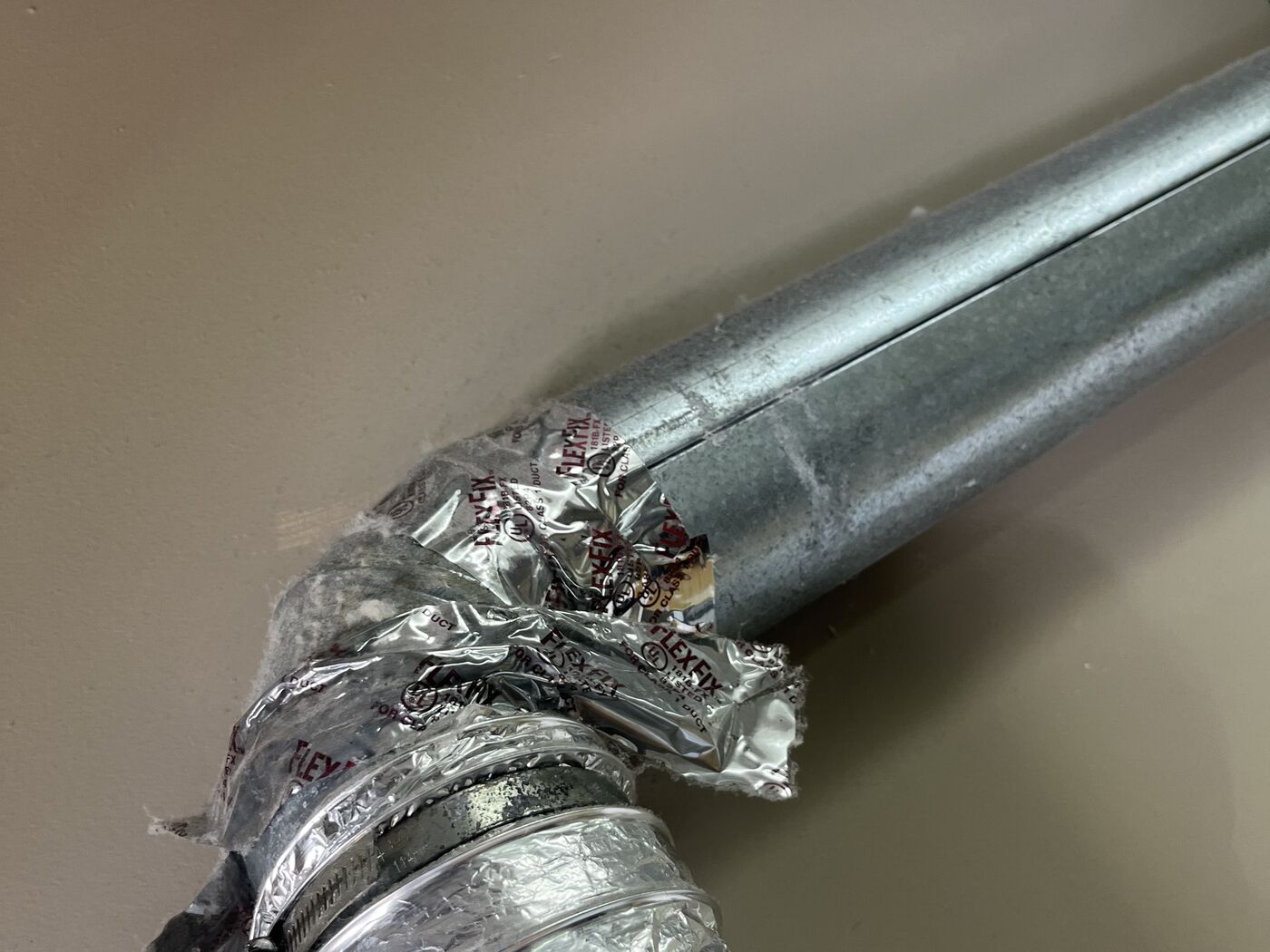
Transition ducts connecting the dryer to the wall vent must be approved rigid or semi-rigid metal. Foil and vinyl flex hose is not compliant and is a frequent finding.
Backdraft dampers
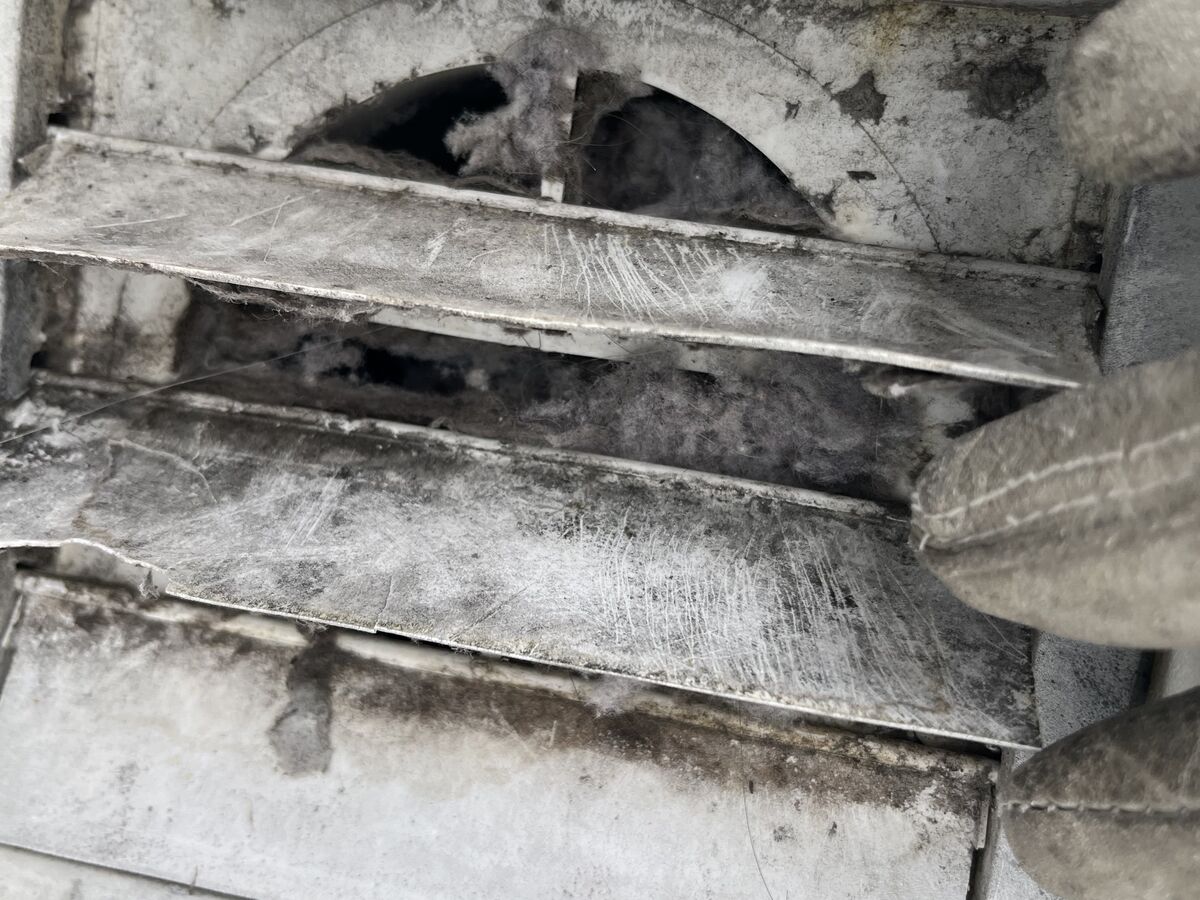
Every duct termination needs a functioning backdraft damper. Missing or seized dampers restrict flow and admit pests.
Duct length & bends
We record the approximate run length for each unit and verify it against the 35-foot maximum, with the required deductions for each elbow.
Termination points
Roof, wall or soffit — each is documented per unit. Soffit terminations in particular tend to recirculate lint back into the attic.
Airflow verification
Every unit gets a measured exit velocity reading against the 1,400 FPM threshold, logged by unit number.
How a property project runs
Phased, scheduled, and quiet
Tenant disruption is the reason these projects get deferred. So we plan around it first, not last.
Property assessment & inventory
We walk the property and build a complete inventory of every dryer vent: unit number, termination point, duct material and approximate run length. That inventory becomes your baseline record.
Phased schedule
Buildings or stacks are scheduled in waves so no more than a defined block of residents is affected on any given day. You get the schedule in advance to send with your notice.
Tenant notice support
We provide notice language you can drop into your own template — date, time window, what access is needed, and what the resident should expect.
Unit-by-unit service
Inspect, identify the path, brush and vacuum the full run, reassemble, verify airflow, clean the work area. Same six steps as every other job we do.
Exception reporting
Units we couldn't access, units with code deficiencies, and units needing repair are flagged separately so nothing quietly disappears from the count.
Compliance documentation package
One deliverable at close: per-unit service log, airflow readings, sample before-and-after photography, a deficiency list and a dated invoice — formatted to file for fire inspection or insurance audit.
Free resource
The Property Manager's Dryer Vent Maintenance Checklist
Use it to evaluate your current strategy and identify gaps. Keep a completed copy on file as documentation of due diligence.
Inventory
- Complete inventory of all vents and termination points
- Duct material documented per unit
- Run length recorded against the 35 ft maximum
Scheduling
- Documented annual or bi-annual service schedule
- Reminders set 30 days ahead of each service date
- Shared laundry rooms every 6 months
Documentation
- Centralized log of dates, vendors and work performed
- Before-and-after photos from every visit
- Invoices stored where they're reachable during an audit
Vendor vetting
- Vendor licensed and insured
- Vendor knows Ohio Fire Code and Columbus requirements
- Written agreement including photo reporting
The Property Manager's Complete Guide to Dryer Vent Maintenance
Code references, liability background, recommended service intervals by property type, tenant education language, and the full checklist. 8 pages, PDF. No sales call attached.
Property assessment
Start with a walkthrough. No obligation.
Give us the door count and we'll come out, inventory the property, and give you a phased proposal with per-unit pricing and a documentation sample.
- Per-unit service log with airflow readings
- Deficiency report flagging code and repair issues by unit
- Phased scheduling to limit tenant disruption
- Certificate of insurance provided before we're on site
Multi-unit FAQ
What property managers ask
How often should apartment dryer vents be cleaned?
Annually for in-unit dryers, and every six months for high-volume shared laundry rooms. What matters as much as the interval is that the schedule is documented and the service records are retained — that's what demonstrates due diligence.
How disruptive is this to residents?
Each unit takes well under an hour, and we schedule in phases so only a defined block of residents is affected on any day. We provide notice language you can send in advance, and we work from your access protocol — escorted, key box, or resident-present, whatever your policy requires.
What documentation do we receive?
A per-unit service log with dates and work performed, measured airflow readings by unit, a deficiency list for any unit with a code or repair issue, and a dated invoice. On larger properties we photograph a representative sample — typically several units at the start of a phase and several at the end — rather than every door, which keeps the project moving and the cost down. If you need full photo coverage, say so up front and we'll price it in.
What if some units can't be accessed?
They're logged as exceptions with the date and reason, not quietly dropped from the count. We'll schedule a return pass for the misses, because a partial service you believe is complete is worse than knowing exactly which doors are outstanding.
Do you offer bulk pricing?
Yes — multi-unit work is priced per unit and the rate scales with door count. Multi-property portfolios are quoted together. Pricing isn't published because it depends on unit count, laundry configuration and access, so it comes after the walkthrough.
Can the project be phased across budget periods?
Yes. Large properties are commonly split into phases by building or stack, scheduled and invoiced separately. It lets you start protecting the highest-risk buildings immediately rather than waiting for a full-property budget approval.
Are you licensed and insured, and can we get a COI?
Yes on all three. Adam Abbott holds ASCS certification, we carry liability insurance, and a certificate of insurance is provided before we're on site. Request it with your assessment and it comes with the proposal.
Don't wait for an inspector to find it
Property assessment, phased proposal, and a documentation sample — at no cost and no obligation.