A stalled dryer isn't a maintenance issue.
It's lost revenue.
Laundromats, salons, groomers, gyms and hotels run their machines hard. When exhaust restricts, cycle times stretch, equipment overheats, and the machine you paid five figures for starts failing early.
◆ After-hours scheduling ◆ Airflow documented per machine ◆ Quoted by equipment count
The business case
What a restricted vent actually costs you
Fire risk is the headline. For most operators, though, the money leaks out somewhere less dramatic first.
Longer cycles
A machine that needs 45 minutes instead of 30 does two-thirds the work for the same gas, power and floor space.
Premature equipment failure
Blocked exhaust means every cycle runs hotter than design. Heating elements, thermostats and bearings pay for that.
Downtime
A dryer that trips its thermal cutoff mid-shift is out of service until someone resets it — usually during your busiest hour.
Fire & inspection exposure
Lint accumulation is a documented fire hazard and a common finding in commercial fire inspections. Records help.
Who we serve
Built for high-volume lint
Different businesses load their ducts differently. Pet hair, hair clippings, spa linens and gym towels each behave their own way inside a duct run.
Laundromats
The heaviest lint load of any commercial category, often on shared or manifolded exhaust systems that need to be balanced, not just brushed.
Salons & Spas
Towel volume plus hair and product residue. Restricted exhaust turns a back-of-house laundry closet into a heat trap.
Pet Groomers
Pet hair compacts into duct elbows faster than fabric lint and is the single most common cause of total blockage we see.
Dry Cleaners
Continuous throughput and long duct runs. Small restrictions compound quickly at this volume.
Fitness Centers
Towel service means the dryers effectively never stop. Six-month intervals are the realistic floor here.
Hotels & Hospitality
On-property laundry is a guest-experience dependency. We schedule around occupancy and work overnight when needed.
How commercial service runs
Same standard. Scaled, scheduled and documented.
The technical process is identical to residential — inspect, identify the path, brush and vacuum, verify airflow, clean up. What changes is coordination and paperwork.
Walkthrough & equipment count
We inventory every machine, map the exhaust configuration, and note which units share ducting or manifold together.
Scheduled around your hours
Before open, after close, or on your slowest day. You tell us the window that costs you the least and we work inside it.
Machine-by-machine service
Each unit gets inspected, brushed, vacuumed and reassembled. Where machines share exhaust, the shared run gets cleared too.
Airflow verification per unit
Every machine gets a measured exit velocity reading, logged against its ID so you can see which units are trending toward trouble.
Written service report
Readings, work performed and any recommended repairs — in one document you can file for insurance or hand to a fire inspector. Photos available on request.
Interval recommendation
Based on your actual throughput and what we pulled out, we'll tell you honestly whether you need us twice a year or once.
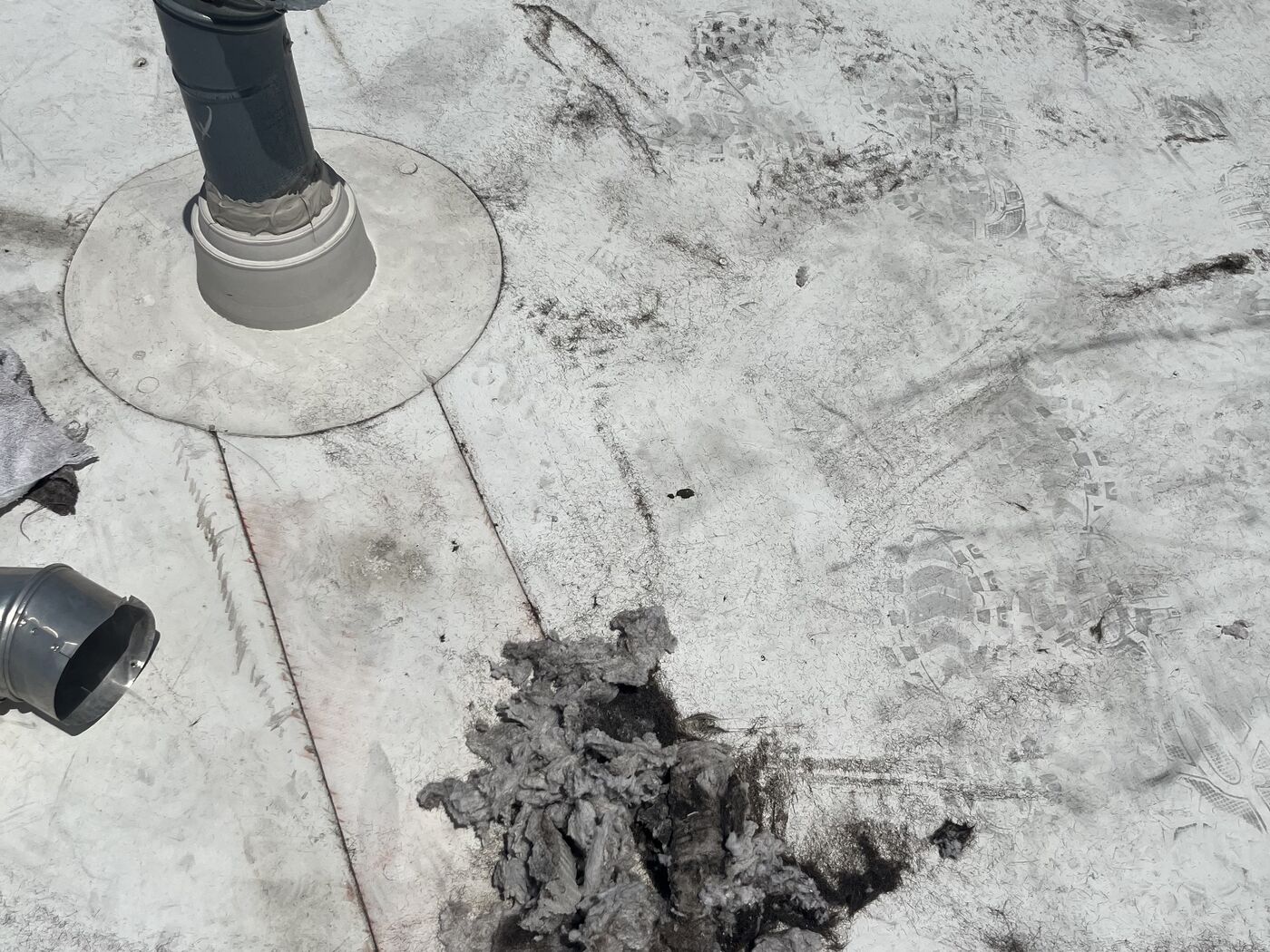
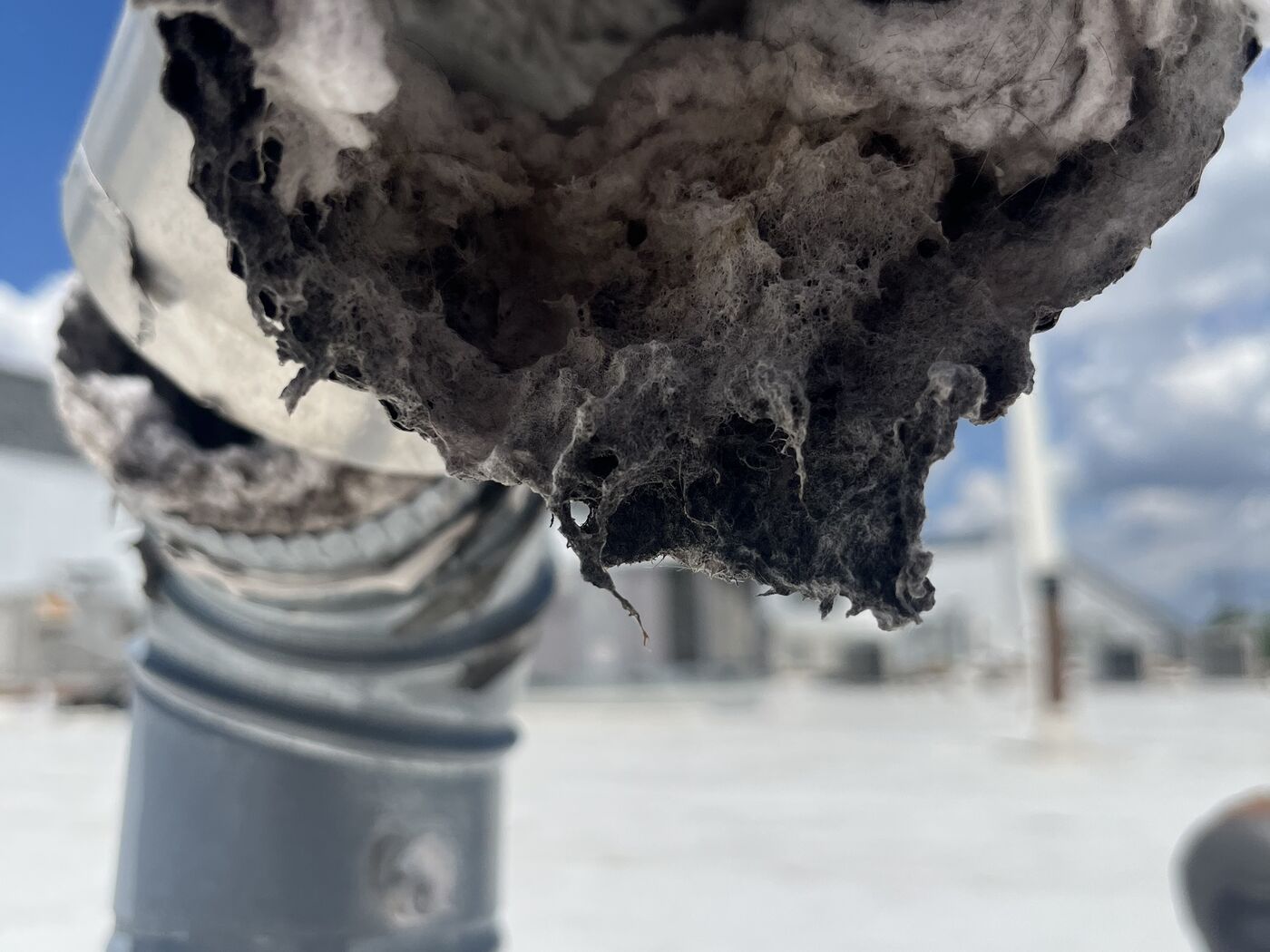
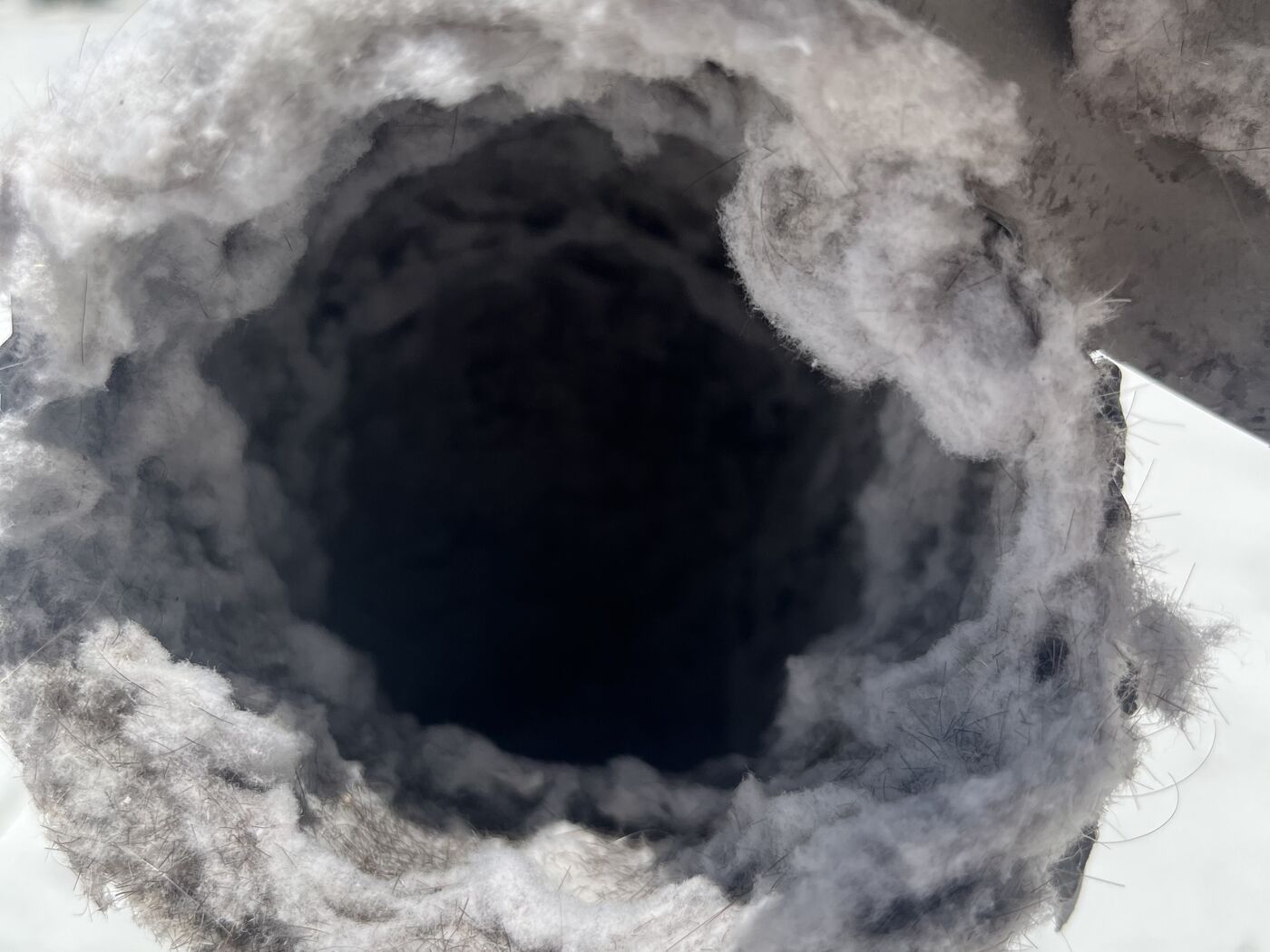
A real commercial job
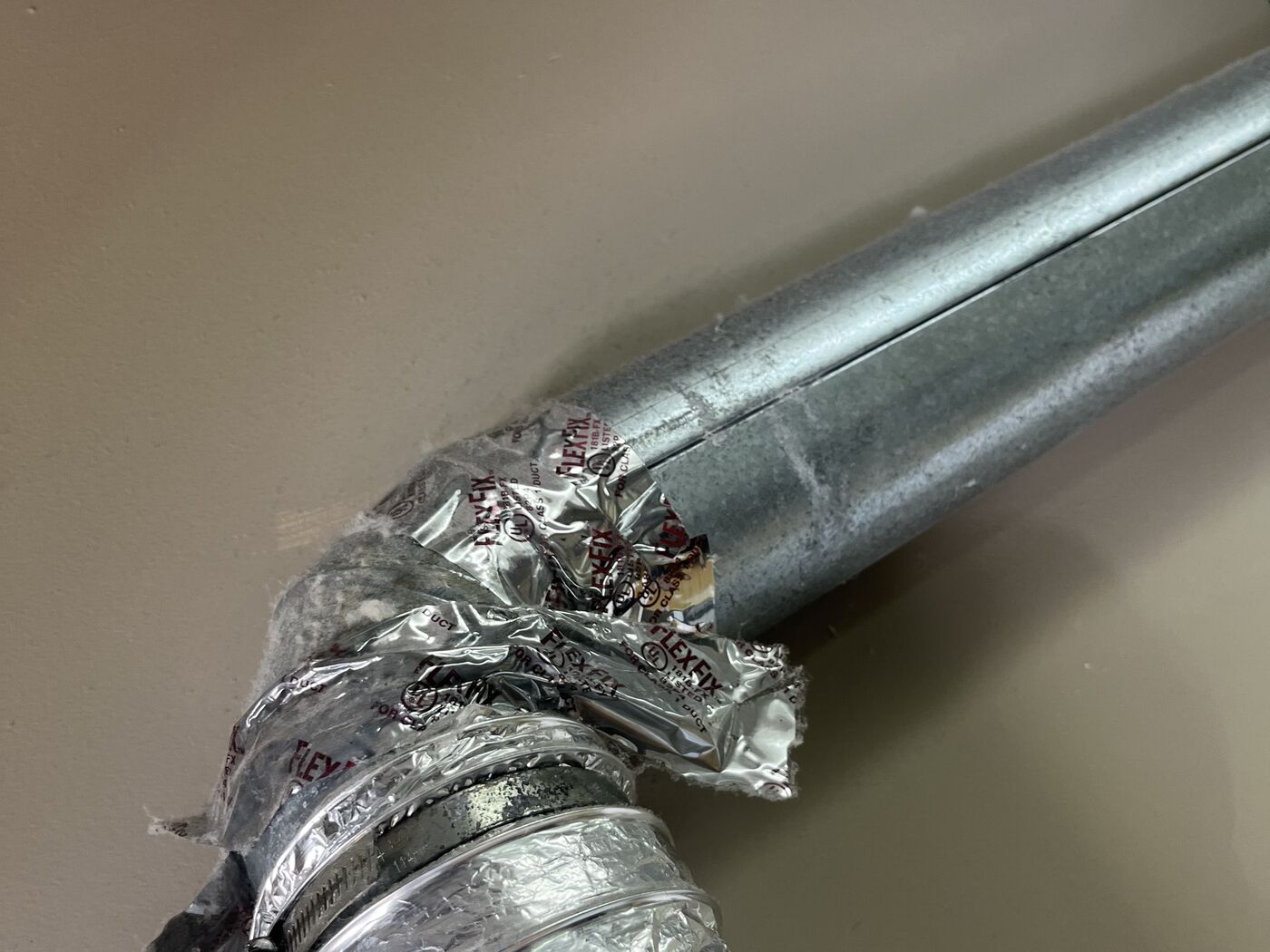
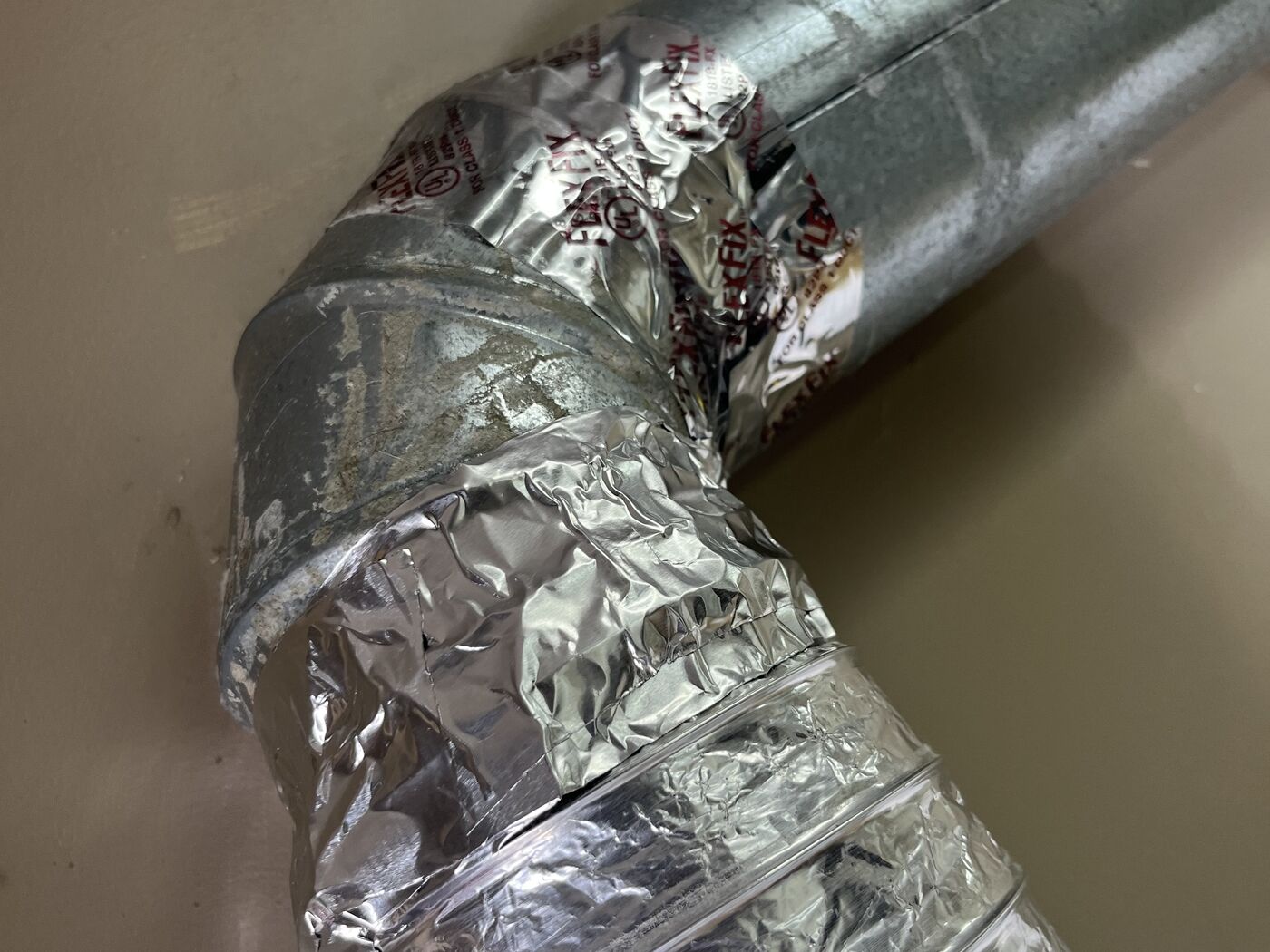
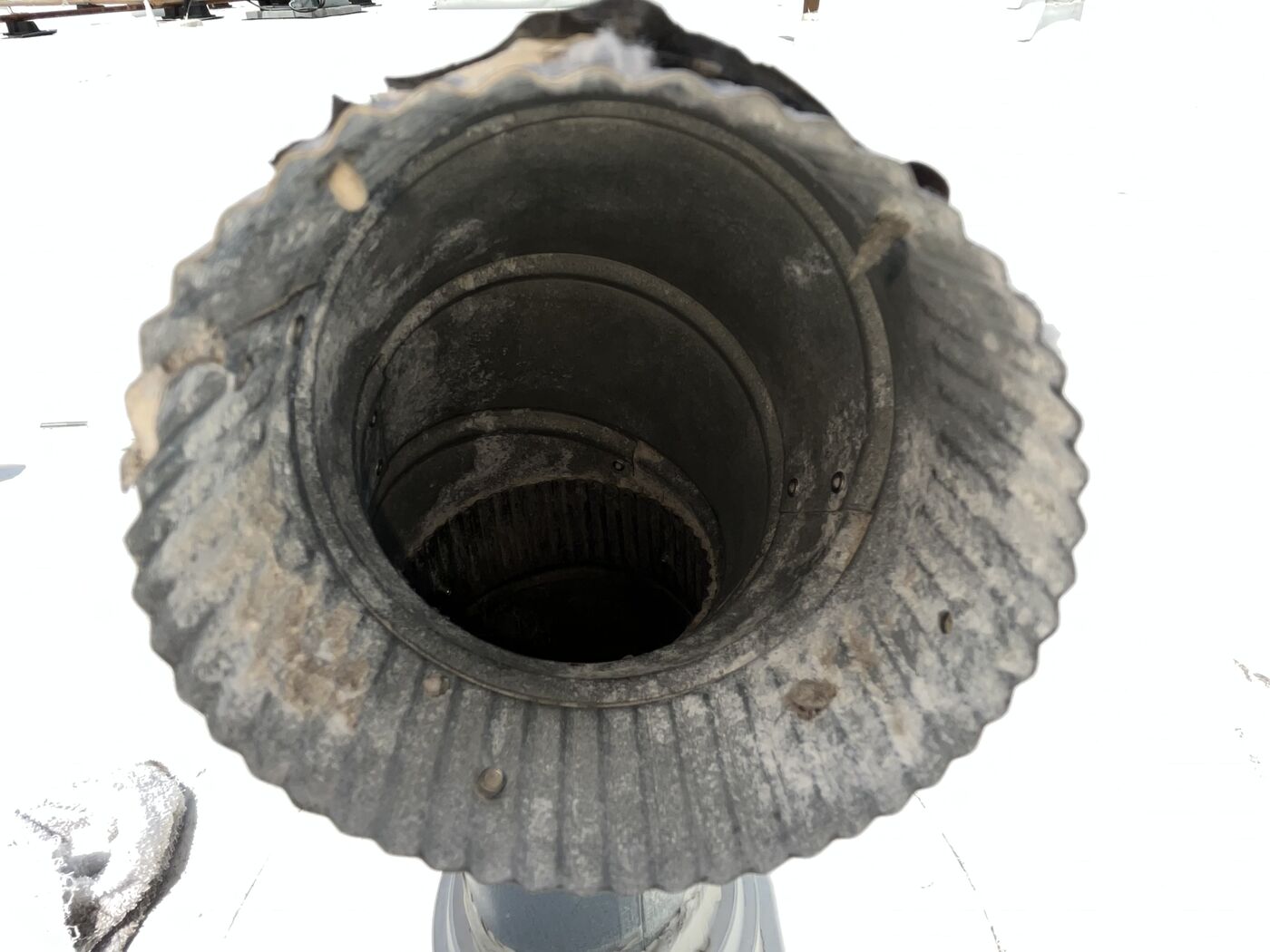
Salon towel dryer, Central Ohio
A salon runs towels all day, every day. This is what that volume does to an exhaust line, and what it takes to clear it.
Commercial quote
Priced by equipment count and access.
Commercial jobs are quoted rather than flat-rated, because a six-machine salon and a thirty-machine laundromat aren't the same job. Give us the count and we'll come back with a number.
- Per-machine airflow readings included in every service
- Written service report for insurance and inspection files
- After-hours and overnight scheduling available
- Recurring service intervals with reminders, if you want them
Commercial FAQ
What operators ask us
How often should commercial dryer vents be cleaned?
Every six months for high-volume operations — laundromats, gyms, groomers and hotels. Lower-throughput businesses like a small salon can often run annually. We'll give you an honest interval after the first service based on what actually came out, not a default upsell.
Can you work outside our business hours?
Yes. After-hours, early morning and overnight scheduling are standard for commercial work. Losing machine availability during business hours usually costs more than the service does.
How is commercial pricing determined?
By equipment count, exhaust configuration and access difficulty. Machines sharing a manifolded exhaust run take different work than individually ducted units, and rooftop terminations add time. Tell us the count and we'll quote it.
Do you provide documentation for insurance or fire inspection?
Yes. Every commercial service comes with a written report listing work performed and per-machine airflow readings, and before-and-after photos are available on request — just ask when you book. Keep it on file — it's the record that demonstrates due diligence if anyone ever asks.
Do you service shared or manifolded exhaust systems?
Yes, and it matters that they're treated as one system. Cleaning individual machine connections while leaving the shared trunk loaded gives you a good-looking service and a still-restricted building.
Can you set up recurring service?
Yes. We'll schedule the next visit at the interval we recommend and remind you when it's coming up, so it doesn't fall off the maintenance calendar.
Get a commercial quote this week
Equipment count is all we need to start. After-hours scheduling available across Central Ohio.